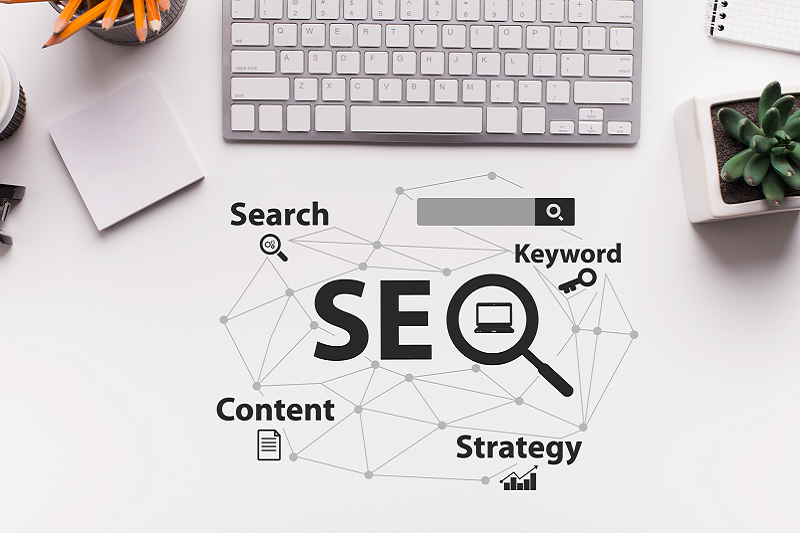
Introduction
Are you new to SEO or looking to enhance your product page optimization? Look no further! In this comprehensive guide, we'll take you through the essential tips and techniques to achieve e-commerce success through product SEO. Whether you're a beginner or seeking to refine your strategies, this blog post will provide valuable insights and actionable steps to boost your online visibility, drive targeted traffic, and increase conversions. From keyword research and on-page optimization to technical considerations, off-page strategies, and monitoring analytics, we'll cover it all. Get ready to unlock the full potential of your e-commerce website with our ultimate guide to product SEO.

Key Points for Product SEO
- Keyword Research: Discover relevant keywords that potential customers use to search for your products. Leverage keyword research tools to find popular and valuable search terms.
- On-Page Optimization:
- Title Tag: Craft concise, compelling title tags that include the target keyword and a captivating product description.
- Meta Description: Create informative and enticing meta descriptions that summarize your product and entice users to click through.
- URL Structure: Construct descriptive and keyword-rich URLs for your product pages, avoiding generic IDs or numbers.
- Heading Tags: Use proper heading tags (H1, H2, etc.) to structure your content, incorporating the target keyword in the main heading and subheadings.
- Product Description: Write unique, detailed, and persuasive product descriptions that showcase the features, benefits, and value of your products. Naturally, integrate relevant keywords within the description.
- Image Optimization: Optimize product images by utilizing descriptive file names and adding alt tags that include relevant keywords. Compress images to ensure faster page load times.
- Product Reviews: Encourage customers to leave reviews for your products, as positive reviews can improve search engine rankings and provide social proof.
- Structured Data Markup: Implement structured data markup, such as schema.org, to provide search engines with additional information about your products. This enhances visibility in search results and enables rich snippets.
- Internal Linking: Establish connections between your product pages and related content on your website through internal linking. This helps search engines discover and understand the relationships between different pages.
- Technical Optimization: Optimize your website's loading speed and ensure mobile-friendliness and responsiveness. Create a clear and logical site structure, facilitating easy crawling and understanding by search engines.
- Off-Page Optimization: Build high-quality backlinks from reputable websites through outreach, guest blogging, social media promotion, and content marketing. Leverage social media platforms to generate buzz and engage with your audience.
- Monitoring and Analytics: Utilize tools like Google Tag Manager to monitor the performance of your product pages. Track traffic, conversions, bounce rates, and other relevant metrics to gain insights and make data-driven improvements.

Conclusion
By implementing the tips and techniques outlined in this ultimate guide, you'll be well on your way to mastering product SEO for your e-commerce website. Remember to adapt these strategies to your specific needs and continually monitor your performance to stay ahead in the dynamic world of SEO. Get ready to witness improved visibility, increased traffic, and higher conversions as you optimize your product pages to their full potential.
Comments
Post a Comment